From Sea to Mountain: An Andalusian Route to Granada
A morning on Cádiz’s La Caleta beach gives way to a road trip through the countryside, with a stop in monumental Antequera before reaching majestic Granada at sunset.
Playa de la Caleta: The Bay of the Gaditanos
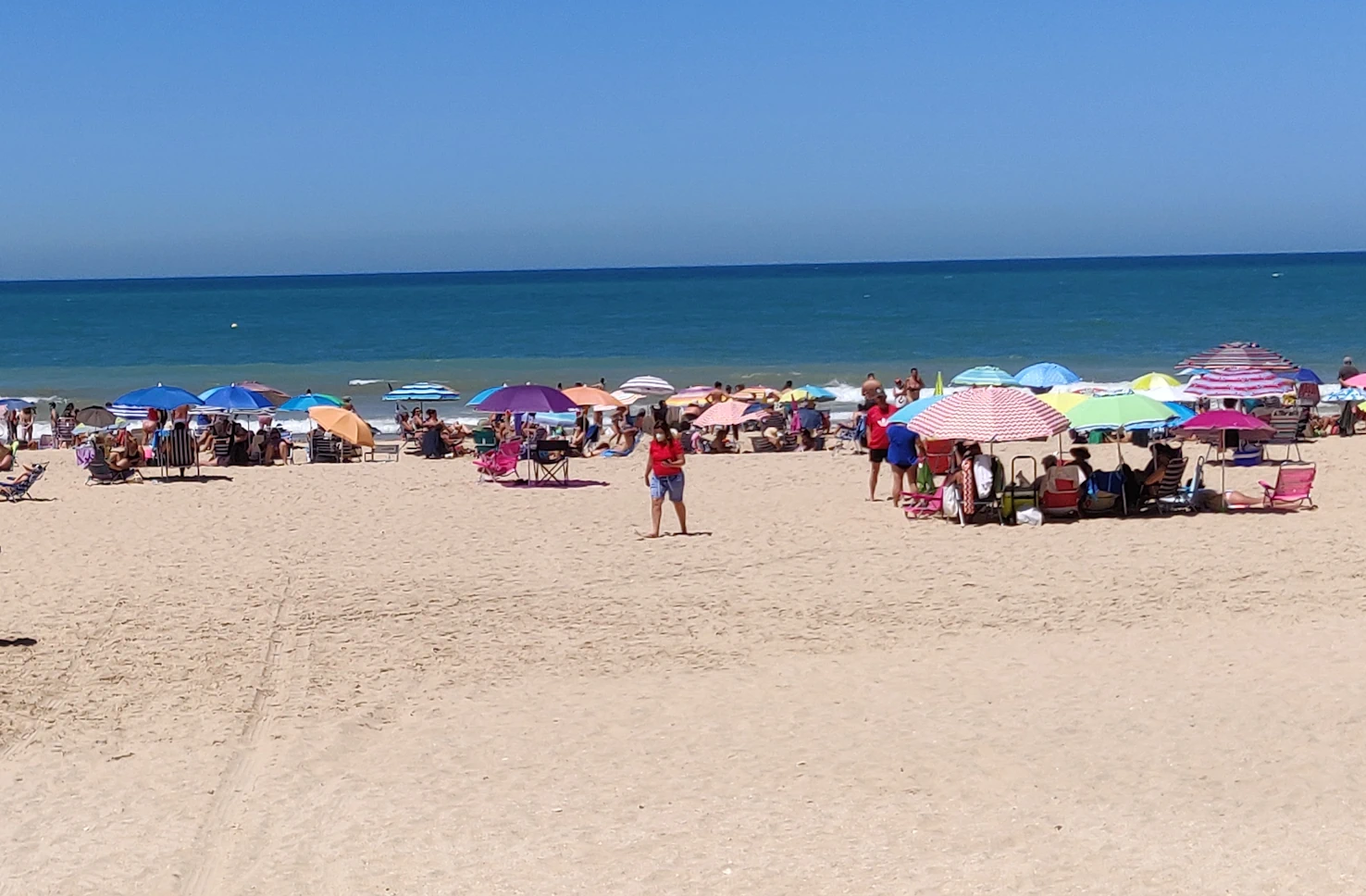
Playa de La Caleta is the most iconic urban beach in Cádiz, a shell-shaped sandy beach situated between the castles of San Sebastián and Santa Catalina. At just 450 meters long, it has always been the bathing spot for the gaditanos and a traditional fishing enclave. Its peculiar configuration and historic surroundings have made it a movie star and a symbol of the city.
The morning of July 4th dawned radiant. La Caleta, at that hour, was quiet. Some early risers ventured into the water, while fishermen mended their nets on the sand. Walking along its promenade, with the smell of salt and the sound of waves gently breaking, was the perfect farewell to Cádiz. The sun was already warming, announcing a splendid summer day for the journey.
Plaza del Rey: A Stop Along the Way
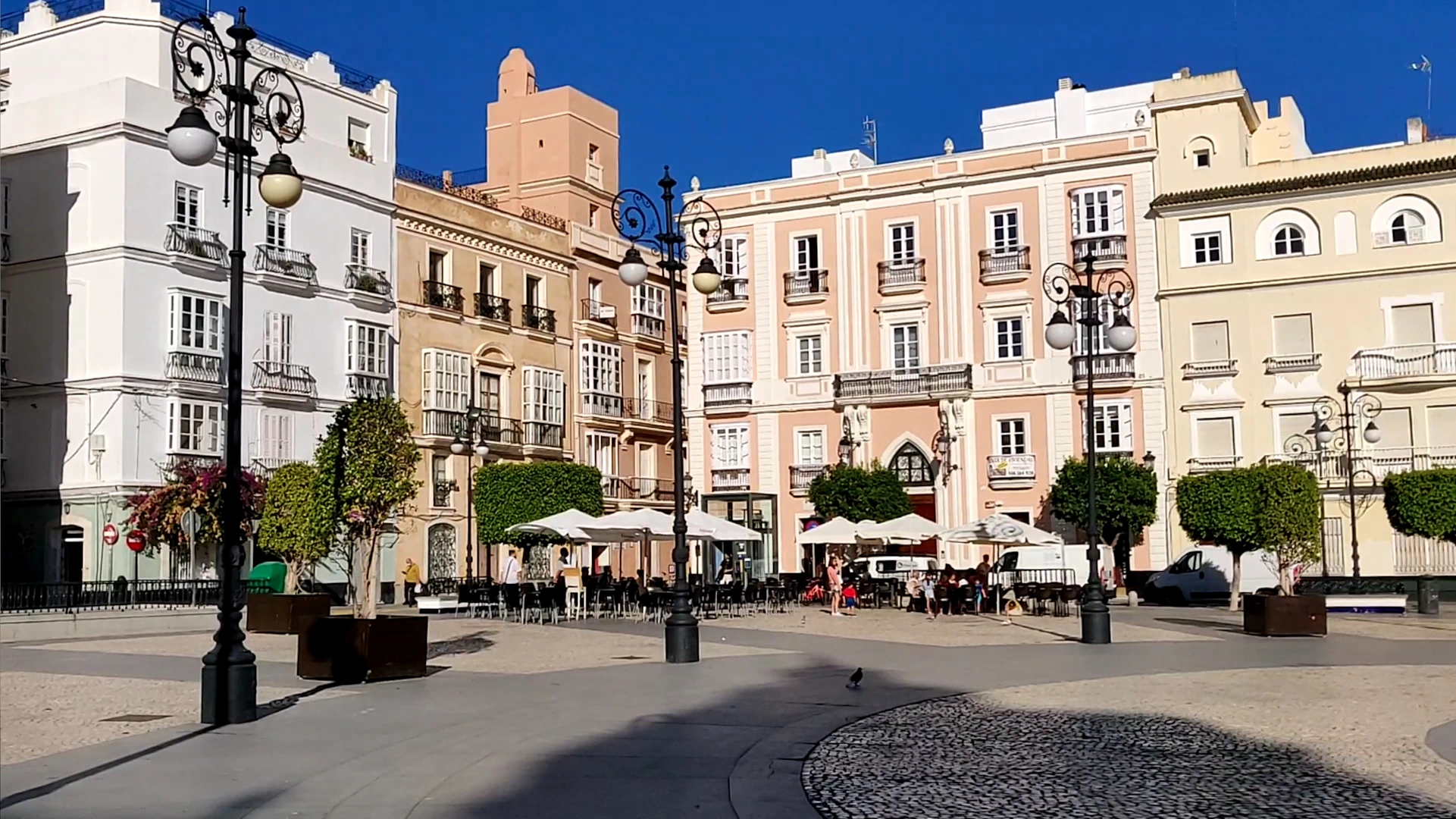
Plaza del Rey in El Puerto de Santa María is a central urban space that pays tribute to the Spanish monarchy. Surrounded by stately buildings and with an ornamental fountain at its center, it is a traditional meeting point in this city of the Bay of Cádiz, famous for its fino wine and its historical link to the Discovery of the Americas.
Stopping here, only half an hour from Cádiz, was a brief break to stretch my legs. The square, shaded by trees, had a Sunday-like atmosphere. Having a coffee on one of its terraces while watching the comings and goings of the portuense families was a breather before heading onto the highway inland. The contrast between the sea breeze and the now drier inland air was beginning to be noticeable.
Antequera: The Heart of Andalusia
Antequera, declared a Historic-Artistic Site, is a thousand-year-old city strategically located in the geographical center of Andalusia. It is famous for its Archaeological Ensemble of the Dolmens (Menga, Viera, and El Romeral), a UNESCO World Heritage Site, and for its rich Renaissance and Baroque heritage, with more than thirty churches and convents. Its Peña de los Enamorados dominates the landscape.
Arriving in Antequera at noon was like entering an oven. The inland heat in July is intense, but dry. Visiting the Dolmen of Menga is awe-inspiring; standing under those thousand-year-old stone slabs gives you goosebumps. Afterwards, getting lost in its steep streets towards the Alcazaba, with views of the vega, helped to understand why they call it “the heart of Andalusia.” Its grandeur is serene and monumental.
Granada: The Nasrid Jewel
Granada, the last capital of the Nasrid Kingdom in the Iberian Peninsula, is universally known for the Alhambra, a palace city declared a UNESCO World Heritage Site. Founded in the 11th century, its history is a fascinating melting pot of Muslim, Jewish, and Christian cultures, palpable in its neighborhoods of the Albayzín and the Realejo, its cármenes (walled gardens), and its monuments.
The final leg of the journey, with the Sierra Nevada in the background, was filled with growing anticipation. Arriving in Granada at sunset has magic. The air cools a bit and the golden light bathes the hills. The first glimpse of the Alhambra silhouetted on the Sabika hill, from some viewpoint in the Albayzín, is a moment that stays with you. The city exuded that scent of jasmine and history that makes it unique. It was the perfect ending for a day of transit between two Andalusian worlds.